Five Great Reasons to Make Nova Scotia Your Vacation Destination

Nova Scotia Adventure

With summer fast approaching, it’s time to begin planning the perfect vacation—and this year, you can skip the debate about where to go.

Nova Scotia, Canada, has always been popular with tourists, but this summer, everything is lining up to make it the ultimate destination for every traveler’s needs.

Here are just five of the many reasons to choose Nova Scotia:

1) It’s Breathtakingly Beautiful

Known for its diverse landscape and stunning natural beauty, Nova Scotia has it all.

Miles of coastline offer access to white sand beaches or rugged rocky shores, and a network of well-maintained highways lead you through charming ocean-side villages and thriving agricultural towns.

The looming highlands of the Cabot Trail on Cape Breton Island offer dramatic vistas, while trails along the Atlantic Coast and the Kejimkujik Sea Adjunct offer the chance to glimpse marine wildlife in their natural habitat.

Take in the sight of the innumerable islands of Mahone Bay from shore or on a watercraft, and enjoy the striking effect of a bay full of sails during Chester’s race week.

With numerous picturesque communities and designated look-offs around the province, when it comes to photo-ops, Nova Scotia is sure to impress.
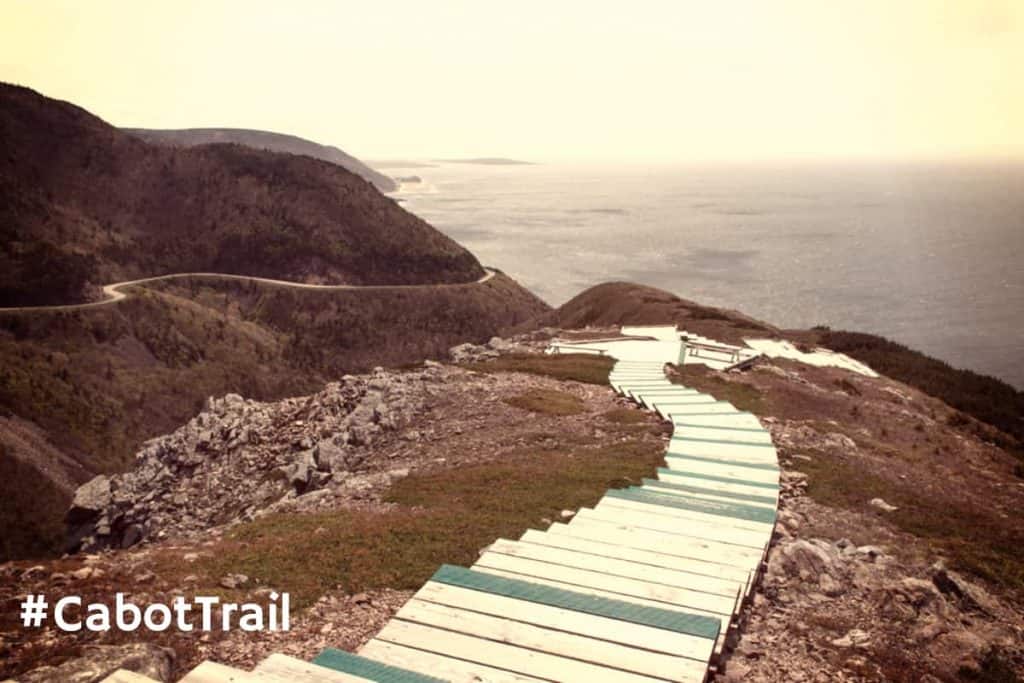
Cabot Trail Canada Travel

2) It’s Entertaining

Nova Scotia is known across Canada for having the nicest, most fun-loving population in the country – and what makes Nova Scotians so friendly?

Perhaps it’s all the interesting things going on around the province.

For urbanites, the capital city of Halifax offers a thriving arts scene.

Live music venues, theatres, restaurants, galleries and museums (like the Art Gallery of Nova Scotia) abound, and the city’s popular waterfront boardwalk is alive with buskers and vendors all day long.

Whale watching and deep-sea fishing expeditions operate out of a number of different towns, while a leisurely tour of the vineyards of the Annapolis Valley is available for those who prefer to keep both feet on land.

The province boasts a popular craft beer scene, folk music, crafts, many excellent festivals, and no end of annual events and must-see destinations in every region.

Facade of Halifax Alehouse Canada

3) It’s Adventurous

With so much rugged wilderness, it is no surprise that Nova Scotia is a No. 1 destination for outdoor adventurers in North America.

Offering a plethora of hiking trails through a variety of ecosystems and terrains, adventurers can experience many different landscapes within a few hours’ drive.

You could conquer Cape Split on foot or mountain bike, go sea-kayaking along the wild Eastern Shore or the Bras D’Or Lakes, surf or parasail at one of the province’s stunning beaches, or go zip lining at in the mountains at Martock.

The possibilities for outdoor adventure are endless, but the fun doesn’t stop there!

Nova Scotia is well known for its stories of haunting and pirate treasure.

The supernaturally inclined can go on any number of chilling ghost walks, and can keep a wary eye open for the flaming ghost-ship of the Northumberland Strait.

Treasure seekers can ask the locals about the infamous Treasure Pit of Oak Island, or go panning for gold at the Ovens Provincial Park.

There is even excitement for those who seek less conventional thrills, who can investigate the mass UFO sighting of 1967, locally known as the Shag Harbour Incident.
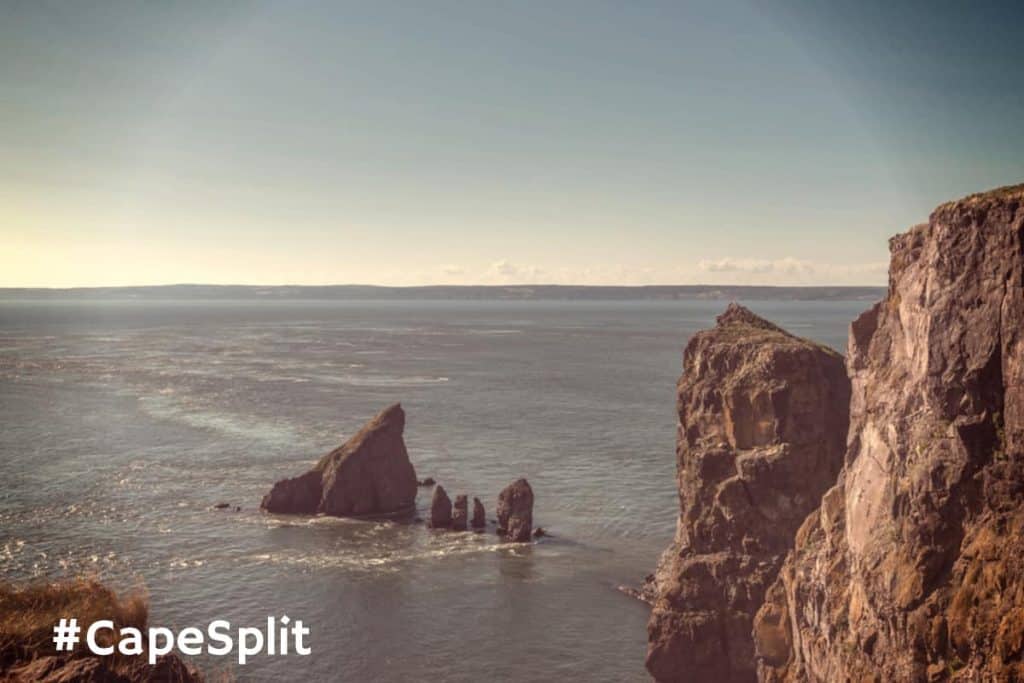
Cape Split Rocky Shoreline Tides

4) It’s Historic

As home to the Mi’kMaq First Nation and one of the earliest locations of European settlement in North America, attractions for the history buff abound in Nova Scotia.

For the more relaxed traveler, the historic sites at the Halifax Citadel, Fortress of Louisbourg, Fort Anne, or the Habitation offer guided tours and live reenactments by costumed performers that are sure to spark your interest.

For those willing to venture into more rugged terrain, the trails of Kejimkujik National Park harbor historic Mi’kMaq petroglyphs, and the Canso Island National Historic Site offers artifacts from the Dummer’s war and one of the earliest fishing settlements in North America.

Literature fans can explore the land of Evangeline and mull over the Acadian Expulsion at Grand Pré, rockhounds can comb the fossil-rich shorelines of the Bay of Fundy or examine the displays at Joggins and Blue Rock, and those who like to mix history and adventure can descend into the coal mines at the Cape Breton Miners Museum.

5) It’s Accessible

Today, the attractions of Nova Scotia are more accessible than ever.

With service from two major ferries (Yarmouth and Digby), Via Rail, the Trans-Canada Highway, and an international airport with connecting flights from across North America, getting here is easy and enjoyable.

A low Canadian dollar means that travelers from the USA will enjoy an excellent rate of exchange, boosting the affordability of all of the exciting activities on offer, and there are a range of charming accommodations available in every town.

The icing on the cake is that, in celebration of the 150th anniversary of the Confederation of Canada, general admission to all Parks Canada sites is free when you order the no-cost pass from the Parks Canada website.

So get your free parks pass and hit the trails – you’re not going to want to miss an adventure this summer in Nova Scotia!


Trekking Pole Dog Icon


Prepare to Hike in Nova Scotia with These Tips

Hiking Basics

Hiking Basics

Hiking is a healthy activity for both the body and mind.

Hiking trails for all levels of expertise are found in every country. It is truly a global pastime, enjoyed by individuals, friends, hiking clubs, and families.

Some level of hiking is possible for everyone who can walk, making it the perfect hobby for every age, as well as for groups and families of mixed ages.

To experience a safe and enjoyable hiking experience, it’s important to know the basic “rules” of hiking.

Picking The Trail

There are hiking trails everywhere.

Some trails are difficult and only for experienced hikers, but many are easy hikes that don’t contain steep inclines or require climbing over rocks.

Contact your local Chamber of Commerce, in the USA or abroad, for brochures and maps of hiking trails in your area.

Many state parks have hiking trails, perfect for day trips, family hikes, or overnight camping. Some trails are designed to accommodate wheelchairs and strollers.

If you live in a state full of woods and mountains or live where you are surrounded by blacktop and high rise office buildings, there are trails nearby where you can enjoy hiking.

Girl Pair of Hiking Poles Grand Canyon

Choosing Your Hiking Trail – Grand Canyon

Hiking Rhythm

Whether you pick a gentle trail or a challenging trail, it’s important to learn to pace yourself.

Develop a rhythm (cadence) that is comfortable and allows you to go a considerable distance without feeling strained or needing a break. As your endurance builds, hiking will tire you less. Plan short breaks at specific intervals.

When you are a new hiker, plan a ten-minute break for every 20 minutes of hiking. As your body conditions itself, you can increase the length of time between breaks.

Shoes for a Day Hike

Hiking Shoes

It’s necessary to have the proper hiking gear to avoid as many problems as possible.

Top on the list of gear is the right hiking shoe, and the right sock.

To avoid the hiker’s nemesis, the blister, wear properly fitted shoes and break them in before embarking on a hike. If you are wearing leather shoes, follow the manufacturer’s recommendation, which can mean rubbing with saddle soap or mink oil, and sometimes a specific brand of boot treatment is suggested.

Regular care will keep your boots pliable, prevent them from drying out, and be kind to your feet. Cotton is not the best material for your boot sock liners.

Purchase specially designed liners made from a wicking material such as polypropylene or Thermax and wear a good wool sock. Always carry moleskin to apply in the event a blister starts to form.

Hiking Shoes with Walking Poles on top

Food And Water

Because food is your body’s fuel, it’s especially important to plan your food carefully for the length of your hike.

For day hikes, dried fruit and nuts, pre-packaged instant oatmeal, and instant noodle and pasta dishes can meet the need. Water is required to keep the body hydrated, but water is also heavy.

You can probably carry enough for a day hike, but if you plan to do longer hikes, purchase a water filtration system to purify water from lakes and streams and carry an insulated water bottle to keep your drinking water cool in warm weather.

Food and Water for hiking

Safety And First Aid

A first aid kit and manual are important for even the simplest hike.

Many outfitters have first aid kits you can purchase containing most of the supplies needed for minor injuries. You can also build your own first aid kit.

The Washington Trails Association website offers excellent instructions on building a hiker’s first aid kit in the hiking resources and hiking basics section at www.wta.org.

First Aid Hiking

Hiking is a great way to enjoy the beautiful outdoors, while staying healthy and fit.

Remember to plan your hike carefully and bring sufficient food and water to enjoy a fun-filled hike.

When you’re ready to got further, you may want to use hiking poles to keep your energy levels up, see reviews of walking poles for hiking here.


Trekking Pole Dog Icon

5 Things About Rome That May Shock You

Rome Travel Safety Italy

You’ve decided to make that big jump across the pond and head over to Italy. You’ve read all the tour guides, seen plenty of vlogs and have been fantasizing for what seems like forever, and now it’s finally happening.

But if Rome is your first stop on a European adventure, or if you’ve never been to the city before, then you might be in for a surprise. Here are five things about Rome that may shock you. Knowing them might help you prepare for your trip.

1. Rome Is busy

Anyone who’s been to Rome will tell you how busy the city is, but you’re not going to understand how busy until you experience it for yourself.

Depending on when you go, not only will Rome be full of locals trying to live their daily lives, but it will be filled with tourists as well. The metro and buses, while well-connected, are quite crowded.

Europeans and Italians are going to be traveling during the summer and into the early fall months, so be sure to time your trip accordingly.

Vatican City, a tiny country within Rome, is the center of the Catholic Church’s activities. It is also is the home of the Pope, so if there is a Christian holiday coming up, you can be sure there will be throngs of worshippers, especially during Christmastime and Easter.

During these holidays, it will be difficult, if not impossible, to find cheap accommodations in Rome. You might be better off delaying your trip instead of going during a holy time.

Be prepared for the crowds in Rome

2. Pickpockets work 24/7

Professional street hustlers are everywhere.

If you want to blend in and avoid most pickpockets, you should dress as the locals do.

Italians are known for being fashionable yet understated. Clothing is always expertly tailored and often paired with gorgeous, handmade shoes (which are surprisingly reasonable to purchase in Italy).

Tone down your image and leave the digital SLR camera with the extra lens in your hotel. If you don’t feel like being fashion forward, you just have to be more aware of your surroundings than you normally might be.

Keep valuables (like your passport), at the accommodations and keep money and cell phones inside your zipped coats or under your clothing. Don’t make it easy for thieves to rip you off, duh.

Keep your head up and don’t assume someone is offering to help out of the kindness of their heart: Con artists target tourists under the guise of helpfulness, but then expect to be “paid.” Be polite, but be firm. A loud “No!” is often most effective, as they will move on to easier, less-vocal targets.

Roman Ruins Hiking

3. Accommodations are expensive

Hotels are not cheap, even when using discount websites to book them.

Fortunately, there are many alternatives to choose from. Locals will often rent out their homes through private vacation rental sites, such as AirBnB. This is a great way to save money since the locals set the rates, not hotel chains.

Another alternative is to stay at an agriturismo–accommodations that are located on a farm and typically offer B&B-like amenities. Often run by individuals who also live on the property, agriturismos allow you to experience their culture and see how they live from day to day.

When you’re looking to stay in the city, hostels are another alternative to major hotel chains. Bear in mind that many hostels cater to a younger clientele and can be busy, noisy places. Check the reviews before you book and be sure there is no age restriction.

Many hostels are run like conventional hotels; you just have to be sure the one you’re staying at caters to your particular needs.

By saving money on accommodations, you’re free to spend that extra cash on the things you want to do in Rome like eat and sightsee.

roman coliseum

4. The food is terrible (unless you know where to look)

Unless you only want to eat pizza and panini, eating in Rome can be a terrible experience.

Most restaurants around the popular Roman tourist sites are expensive and cater to tourists that are desperate for food and willing to pay anything to get it. Don’t fall into this trap. Before you go to Rome, investigate some cheap and delicious restaurants online, and then program them into your cell phone map.

Not only will you have a guide to great eating right in your hands, but you’ll also be able to find your way around the city and explore areas you might never have gone to otherwise.

The best restaurants are where the locals also go, and they usually do not eat near touristy areas.

TeeShirt for Sale in Rome

5. The weather can be wild

Depending on the time of year, Roman weather can vacillate wildly between extremely hot and humid and miserably cold and damp.

Check the weather forecast and plan ahead. You will need an umbrella, a sturdy rain jacket, and comfortable walking shoes.

Although public transportation is efficient in Rome, you will be doing a lot of walking, so leave the heels and dress shoes at home (unless you’re planning on a fancy dinner night).

Temperatures can fall below freezing during the winter, so make sure you pack light but warm clothing (think Merino wool that can be layered).

In the summer, the less clothing the better, but you need to be careful.

Many religious sites have specific clothing restrictions (women can’t have bare legs or shoulders in churches; men can’t be wearing shorts or go in without a shirt), so check the sites you want to visit and be sure to pack comfortable, cool clothes that also cover your body.

When in doubt, pack a scarf that can double as a shawl, or pants that convert into shorts.

Clothing is relatively inexpensive in Rome, so if you forget something at home, you can pick up what you need at one of the local shops.

Hiking in the Rain Rome

Ohhh, the Memories…

Rome is an amazing city and one that will linger in your memory long after you’ve left, but it does take careful planning, especially if it’s your entry point into Italy.

When you plan, pack accordingly, and keep your head up, you’ll have a wonderful time in the eternal city.

Hiking Poles

The Nomad Cycle: How To Spend A Full Year Working Your Way Around The United States

the Nomad Cycle Yearround Work in the USA

It’s perfectly possible to work your way around the country with nothing special in the way of education, experience or credentials.

Of course, if you have those things, there’s an even greater world of possibility open to you.

The jobs discussed below form a basic bedrock for full-time travelers and are accessible to just about anyone.

The Nomad Cycle

The Nomad Cycle Chart USA Year Round Gypsy Work

SPRING Nomad Work in the USA

The Harvest Seasons

There are jobs in Florida picking citrus fruits all year, but the really big season in which lots of temporary hands are needed is in the spring.

The hiring process generally begins in February for work starting in March and lasting for about three months.

Agricultural harvest work isn’t as rich in spring as it will be in summer and fall, but there’s at least one other big opportunity for those on the opposite end of the country — strawberries.

California produces most of the country’s strawberries and they are grown there all year, but the prime season begins in spring and carries on well into summer.

Harvest Seasons

Home Improvement

Spring is far and away the biggest season for home improvement projects.

Major retailers like Lowe’s and Home Depot will add tens of thousands of employees to their workforce just for the spring season.

This temporary hiring blitz also extends to a lesser extent to general retail chains like Walmart that have lawn and garden departments.

Landscaping & Gardening

As with home improvement, spring is also the time in which gardening activity is at its peak.

Landscaping companies look for seasonal help not just out in the field but also in their offices.

SUMMER Work Options

The general theme of looking for temporary work in the summer is in going to where all the tourists are headed during the high travel season between Memorial Day and Labor Day.

One area where opportunities are plentiful is in parks and wildlife refuges.

For national parks, the U.S. Forest Service, Bureau of Land Management and the National Park Service are the best places to start.

National parks are the prime choice, as they offer decent hourly pay as well as often providing a place to camp or park an RV.

These positions exist at the state and city level as well, but these parks often only offer non-paid volunteer positions that come with only a place to camp or park as a perk. Jobs through private concessionaires are also available in these parks.

Cities and towns that are located next to the major parks see a corresponding rise in business, and therefore a need for temporary workers.

One prime example is the towns at the five entrance gates to Yellowstone National Park.

These gates span the states of Idaho, Wyoming and Montana in regions where there is not enough of a year-round labor force to support the summer rush.

Snake Bend Colorado River National Park USA

Summer Camps

Private summer camps for youth also offer a range of opportunities for temporary workers, from camp counselor to chef.

Summer Harvesting

If you’re interested in harvest work during the summer, the first big crop is the cherry harvest which begins in June.

This mostly happens in the states along the West Coast, but there’s a significant amount of cherry farms in Michigan and Wisconsin as well.

August brings both the blueberry and apple harvests.

Both harvests generally last into October.

They’re also both found mostly in the extreme northern corners of the country — Maine and New Hampshire in the east, and Washington in the west.

Alaska Fishing

Summer fishing season in Alaska brings a great need for both workers on fishing vessels and workers manning the canning factories.

There’s such a regular and predictable need for this huge labor force that companies will pay for round-trip airfare for those who will commit to working the entire season.

Cannery workers are also put up in dorms and fed three meals a day, but the hours are long and the job involves standing for 12 hours surrounded by stinky fish guts.

The pay is better than most temporary labor jobs, however, with workers who stick out the summer often coming back with the better part of $10,000 in their pockets.

Las Vegas POKER DEALERS

Las Vegas hosts the World Series of Poker from the beginning of June to early July every year.

About 1500 dealers are needed for this massive tournament, and the majority come from outside the area.

Pay is in the range of $20 to $30 per hour. You need some prior experience as a dealer for this job, but not a whole lot; it may be possible to land a job with nothing more than a solid training course completed recently.

You don’t have to worry about the notorious stink of cigarette smoke that plagues the dealer’s profession either; smoking is not allowed in the table area during the tournament.

Poker Dealer Las Vegas, NV

Festival Work

You can find temporary festival work here and there all over the country all year long, but summer is the prime season.

You shouldn’t have to go too far to find a major music festival, renaissance fair or similar event that runs for at least several days and needs a small army of temporary staff to set up, run concessions, clean up and take everything down.

FALL Digital Nomad

Fall Harvest Time

There are two major harvests that require thousands of temporary workers in the fall: sugar beets in the northwest, and cranberries in the northeast.

Montana is the center of the sugar beet world, while Cape Cod is an excellent starting point for cranberry work.

Sugar beet work is particularly attractive as it doesn’t involve actual picking of the beets. Workers instead work for one of the major sugar companies, who receive the beets from the individual farms that harvest them.

At the lowest level, workers sort and process the beets.

There are even more lucrative positions available for those who know how to drive a large truck, operate machinery like loaders and forklifts, or are trained in the use of the specialized processing equipment.

Cranberry picking starts in September, while the beet harvest work begins in early October. If you’re stuck elsewhere in the country, you may find sporadic opportunities at pumpkin patches.

Retail Holiday Season Rush

The hiring crunch for the Christmas season begins in the early fall.

Just about anywhere in the country, you’ll be able to get on with retail stores, shopping mall kiosk companies or package delivery services.

Amazon’s fulfillment centers make a strong effort each year to attract temporary workers for the Christmas season, especially those who live out of RVs.

These centers can be found in over half of the states in the country, with the largest number of them in Arizona, California, Indiana, Kentucky, Pennsylvania and Texas.

The Postal Service also hires thousands of extra workers at their mail sorting facilities throughout the country for the months of November and December. The application process for this generally begins in September and ends in early October.

Christmas Tree Lots

Christmas tree lots generally open up just after Thanksgiving. They’ll be looking for temporary help until the holiday arrives.

Christmas Tree Sales November December USA

WINTER Nomad Christmas

Ski Resorts

As parks are rich in opportunities for temporary jobs in summer, ski resorts are rich in winter.

The mountain areas of California, Nevada, Colorado, Utah and Wyoming are the central places to look for these jobs.

Resorts & Temp Agencies

The winter months are the toughest times for nomads, due to the combined lack of agricultural and tourist industry work.

Resorts in warmer climes may see something of an uptick in visitation during this time, in particular those along the Gulf Coast.

Many nomads ride out the winter simply by finding a place to settle in and working through a temp agency.

Not matter the shifts in the economy, there’s enough work out there for anyone to stay occupied all year if they are flexible enough.

Of course, there’s nothing stopping you from working in some digital moneymaking ideas as well!

More Nomadology


Getting Ready For the Backpacking Season

Backpacking Season

When the call of the wild is hitting you hard, you need to start thinking about your camping gear and the supplies you need to make backpacking a great experience.

It is time to check your tent, pack, sleeping bag, and emergency supplies to make sure the key components for your camping comfort and safety are in order.

Your Tent

Camping Tent

Your tent serves more than a way to keep the rain off your head (or snow, if you are a winter camper).

If properly sealed, your tent will not only be waterproof, but will also help contain your body heat.

Tent Checklist

  • Make sure your vents, fly, and entry are all cleaned and tear-free.
  • Use a mild mix of bath soap (unscented) to wash off any dirt or debris on the fabric, and
  • Use clear water under mild pressure to clear any dirt, debris, or sand in your zippers.
  • Never use any harsh chemicals – the man-made fibers can be damaged by any chlorinated cleaners.

Anything in the zippers will cause them to wear out faster as a natural course of using them, so keeping them clean is critical.

Winter Camping

For winter camping, you want those zippers to close snugly to keep out the cold and blowing snow – and in the summer you want them to open all the way so the moisture and heat released from your body while you’re sleeping can escape.

Check the siding material of your tent to make sure they are free of tears or other openings. You can usually patch most man-made fibers with kits readily available from a variety of sources.

It is a good idea to apply a coat of sealant to the exterior of the seams of your tent and fly with the sealant appropriate for your tent’s material.

ONLY apply the sealant in a warm dry place, making sure you give it plenty of time to dry properly.

In order to apply the sealant, it is best to pitch your tent with all sides taut, which will help ensure the sealant gets into the nooks and crannies.

Lastly, check that all of your supplies – poles, straps, and stakes – are intact, then set up the tent completely one time before packing it and going out into the wild.

Your Sleeping Bag

Sleeping Bag Example

Your sleeping bag and ground pad should be relatively maintenance free, other than the same cleaning of the surfaces and zippers for the bag apply.

You need to clean your bag inside and out, but not get the insulation wet. You also want to make sure the skin of your bag is clean and free of any oils or greasy substances.

Check the insulation. If it is becoming bunched, or lumpy, it may be time to replace your sleeping bag.

Ground Pads

Ground pads come in a variety of materials and comfort levels.

Their primary function is to insulate, to keep your body heat from being radiated into the ground through your sleeping bag. Your ground pad is also your last defense from ground water getting to the skin of your sleeping bag, drenching you.

Both situations can lead to hypothermia, a dangerous condition in which your core body temperature drops below 93 degrees.

A self-inflating ground pad offers a great combination of comfort and protection.

These foam-core pads are a relatively new development, are very light-weight, and compress for easy attachment to your backpack.

Your Backpack

Taking Care of Your Backpack

Your backpack is your greatest asset for wilderness camping, and maintaining it so it will withstand several kinds of constant abuse is critical.

1. Check that there are no threads hanging or tears in the liner.

Snags and tears can quickly spread, dumping your supplies into a creek at an inopportune moment, or the entire bag coming undone if you are using it to suspend your food supplies for safekeeping during the night.

Clip any snagged threads, and patch any tears. You also need to make sure you keep your pack water-tight. Seal the seams, and if the material permits, coat the entire bag.

2. Check all the grommets and clips on the straps.

If you are using pack with an external frame, make sure the clips holding the bag to the frame are secure.

Make sure there are no rips or tears in any of the straps, and that the fastening clips that hold the shoulder straps and waist strap in place are free of chips or cracks.

Readjust the straps to fit your body as it is today.

Let’s face it, we all tend to gain a little weight over the winter, and an improperly balanced backpack can overbalance you, or chafe in very uncomfortable ways.

Your tent and bag came with stuff bags. Use them – but make sure the bags are clean and dry before stowing away your equipment.

TIP: Packing Your Tent

When loading your tent, put in the fly, then the poles, then the tent itself.

This is the reverse order in which you will need them, and the proper order when you unpack it.

You should never store the stakes with the tent, even if they are in their own ripstop bag, the edges could puncture the tent skin, forcing an emergency repair out in the field.

Emergency Supplies

Emergency Preparations

Duct Tape

One of the backpacker’s best friends is duct tape.

It is strong, water-proof, and multi-functional. You can use it to make temporary fixes to any torn material, and if you combine it with the extra tube sections that came with your tent, you can even temporarily fix the poles on your tent.

You can also use duct tape for emergency first aid, because it makes a great way to tightly secure bandaging material or splints.

Gallon Zipper Sealed Plastic Bags

Bring along a few gallon-sized zipper-sealed plastic bags.

You can use them for a variety of purposes, from collecting specimens to storing your wet socks until you can set up camp and get them dry.

Keeping your supplies (and feet!) dry is critical. In a pinch, you can use them to catch and store water.

First Aid Supplies

Check all of your first aid supplies, and make sure you still have a proper assortment of bandaging materials, disinfectants, scissors, and other supplies.

Toss out the antibiotic ointment you have in your first aid kit from last year and replace it. It has lost its efficacy. If you carry hydrogen peroxide as a disinfectant, it needs replaced as well.

You can find the components of a good “do it yourself” first aid kit by checking with the Boy Scouts or the Red Cross.

Water Purification System

Check your water purification supplies, and make sure the iodine and/or filters are ready for use.

Make sure that your purification kit’s components are free of cracks. Get your canteen, waterpack, bladder, or insulated water bottle cleaned and ready for use, too.

Signaling Devices – Mirror & Whistle

No backpack is complete without two signaling devices – a mirror and a whistle.

Obviously a mirror only works when there’s a light source, but if you become disabled and a search party is looking for you, the reflection from the mirror gives you better odds of being spotted from a great distance.

The whistle is a vital signaling device. You can only yell for help for a few minutes at a time, while you can blow a whistle for hours.

GPS Locator

Another signaling device becoming more common in our high-tech world are GPS emergency locators.

Many are solar-powered, some are coming with Farraday generators, or they come with batteries.

No matter how they are powered, they only work if there is a satellite overhead, and a means of triangulating on your position. When you intend on going into extreme wilderness, rugged terrain, or into mountainous areas, you may want to invest in one of these gadgets.

Do NOT rely on this as your sole signaling device. If you’re breathing, you can still use a whistle. If the batteries go dead on the GPS unit – you could be as well shortly after.

Miscellaneous

Other stuff

Matches

Always have at least two different means of starting a fire in your pack.

Waterproof matches and a “permanent match” are easy to stow away, and work in a wide variety of weather conditions.

Knife

Always have a knife. A good multi-tool with a knife blade and other gadgets, can be found in most hardware and sporting goods stores, and can be handy.

Patch Kit

An emergency patch kit for your tent and backpack could also prove handy – but keep in mind for every ounce you add, you are losing food!

You have duct tape (featured above), which is a great permanent patch.


There are a wide assortment of other supplies you might consider bringing along for your camping expedition, but these suggestions cover most contingencies, in lightweight materials suitable for backpacking.

The best preparation if you’re a novice is to pick up any of the various books available for backpacking in the type of environment you plan on trekking in, or to pick up a copy of the Boy Scout manual on camping.

More Backpacking Season Tips